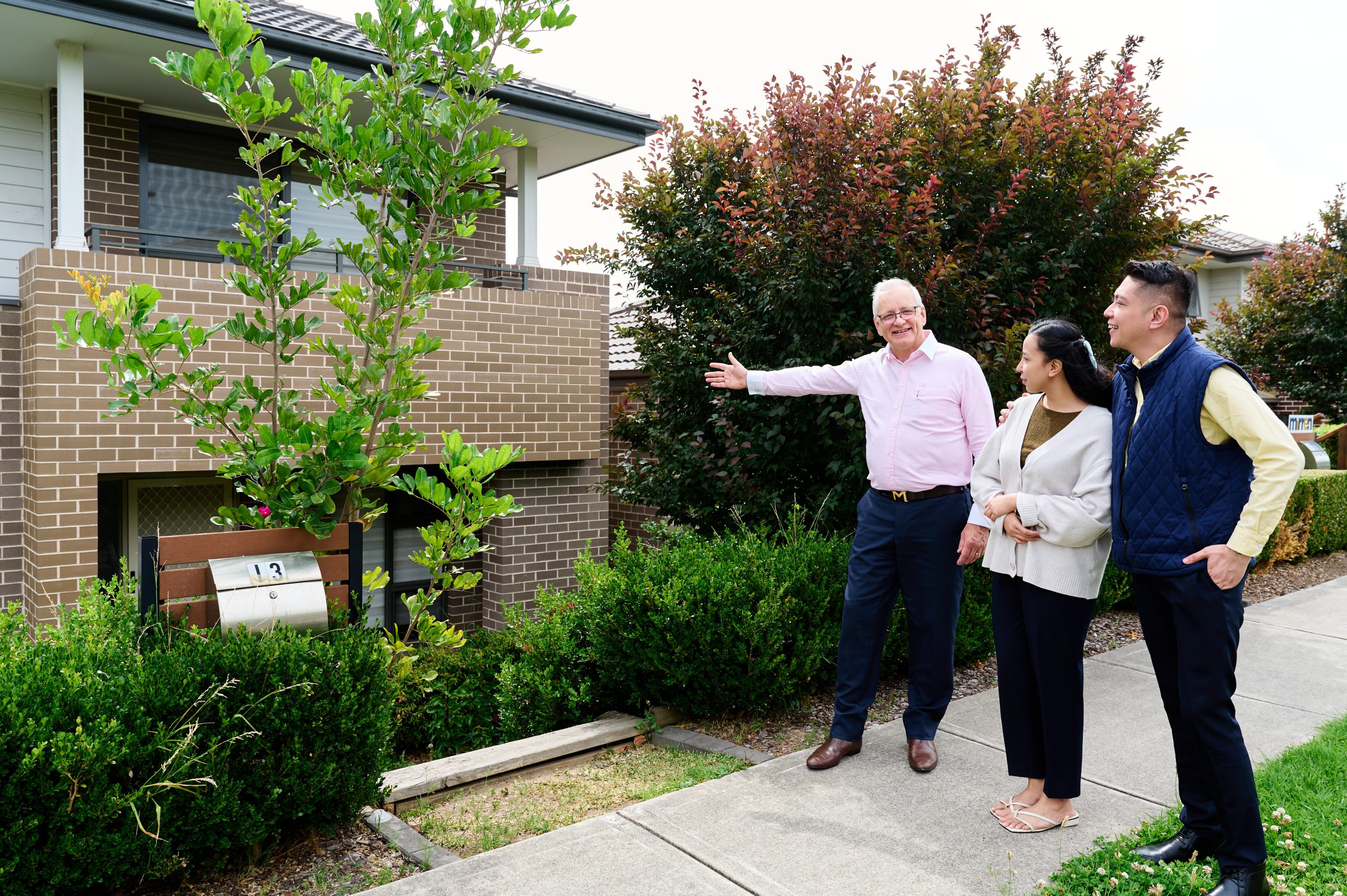
If you have spent any time researching property investment in Australia, you have almost certainly come across the term “buyer’s agent.” For some investors, hiring one is a non-negotiable part of the process. For others, the concept feels unnecessary or expensive. The truth sits somewhere in the middle, and understanding exactly what a buyer’s agent does, and does not do, is worth your time before you decide.
What a buyer’s agent actually does
A buyer’s agent, also referred to as a buyer’s advocate, is a licensed professional who acts exclusively on behalf of the purchaser in a property transaction. Their role typically covers market research, property identification, due diligence, and negotiation.
Crucially, a buyer’s agent has no financial relationship with the vendor or the selling agent. Their fee comes from you, the buyer, which means their interests are structurally aligned with yours. This is a significant distinction in a market where most of the professionals you encounter, from real estate agents to developers, are paid by the seller.
Where buyer’s agents add the most value
The value of a buyer’s agent is most pronounced in competitive markets where quality properties are not always publicly advertised. Experienced buyer’s agents maintain relationships with selling agents and have access to properties before they hit the major listing portals. For investors targeting specific markets, this off-market access can be genuinely meaningful.
They also add value in markets that are geographically distant from where you live. Investing interstate without local market knowledge is a common way to overpay or acquire an asset that underperforms. A buyer’s agent with genuine on-the-ground presence in that market provides a level of due diligence that is very difficult to replicate remotely.
What a buyer’s agent cannot replace
A buyer’s agent is not a financial planner, a mortgage broker, or an investment strategist. They can identify and secure a quality asset, but they cannot tell you whether that asset suits your financial position, how to structure the finance, or whether the purchase aligns with your broader wealth goals.
The most effective property investment outcomes come from a team approach: an investment property strategist to define your criteria and target markets, a property finance specialist to structure the acquisition, and where relevant, a buyer’s agent to execute the purchase in the field.
The cost question
Buyer’s agent fees vary, but typically sit between 1.5% and 3% of the purchase price, or a fixed fee depending on the engagement structure. When weighed against the cost of acquiring the wrong property, overpaying at auction, or missing an off-market opportunity entirely, the fee is often justifiable.
The more relevant question is not whether a buyer’s agent costs money. It is whether the outcome they deliver, in terms of asset quality, purchase price, and time saved, exceeds that cost. For investors who are serious about building a portfolio, the answer is frequently yes.
The starting point
If you are considering engaging a buyer’s agent, the starting point is not finding an agent. It is getting clear on your investment strategy first. A buyer’s agent can only execute well if they have a clear brief. That brief comes from having done the strategic work beforehand.
Property investment works best when the right expertise is applied at every stage. The Mirren Investment Properties team helps investors define their strategy, structure their finance, and connect with the right professionals to bring it all together. Get in touch to find out how we can support your next property investment.