


Investment Property Types
Why Each Property Type Does a Different Job for Your Strategy
- Matching the property type to your strategy.
- Property opportunities across Australia.
- Avoiding costly investment mistakes.
- Minimal upfront commitment.
- Capital growth and cash flow focus.

Which Types of Property Investments Are Right for You?
A builder wouldn’t use their favourite hammer for every single job. If they did, the results would be disastrous. Yet property investors sometimes make this common mistake, choosing property types that they really like … instead of those most likely to deliver the outcome they want.
At Mirren Investment Properties, we ensure you always have the right tool.
We don’t start by telling you what sort of property you should buy, or in what location … our process begins by asking what you’re trying to achieve. And, once we understand your goals, we can find the investment property types that are best suited to helping you get there.
Match the Right Property to the Right Strategy
What Property Should I Invest In?
In short, the one that’s going to move you closer to your targets.
Falling in love with a particular property type before you’ve figured out what job you need it to do is a big misstep. It’ll leave you with a property that you like personally … but makes it harder for you to build a strong portfolio and reach your objectives.
Different investment properties bring different outcomes. Some bring long-term capital growth, others provide strong cash flow, while some give greater depreciation opportunities. That’s why a townhouse, duplex, or granny flat could all be excellent investments … but only if they’re right for your circumstances.
What’s more, only looking at properties on your doorstep is incredibly restrictive. That’s why Mirren Investment Properties researches opportunities for you across Australia … we’re not limited to what’s available locally.
Rather than forcing your plans to fit the properties nearby, we focus on finding powerful opportunities that will meet your goals.
Discover What Property Could Best Support Your Plans
The Investment Property Types in Australia
There’s no one best type of investment property in Australia … the most suitable option for you depends on numerous factors, including your budget, borrowing capacity, appetite for risk … and most importantly … the role you need the property to play in your overall strategy.
House Investment in Australia
A house is one of the most popular forms of residential investment property in Australia. For many investors, it’s the easiest property type to understand … a detached home sitting on its own block of land. This could be a worthwhile consideration if you’re looking for strong long-term capital growth.

Potential Advantages of Detached Houses
- Greater land area – since land can be the main driver of growth, detached houses may provide strong rises in value.
- Total control – unlike townhouses, you're generally free to renovate, extend, or improve the property as you wish.
- Large buyer and tenant appeal – attractive to families and long-term tenants.
Potential Downsides of Detached Houses
- Single rental income – generally not as good for cash flow as duplexes, for example, as there’s only one monthly rent.
- Higher entry prices – typically more expensive than townhouses in the same location.
- Cash flow risks – if a tenant leaves or falls into arrears, you have no income backup, unlike dual-income investments.

House and Granny Flat Investment in Australia
This generally consists of a main home along with a second, self-contained dwelling on the same block of land. They’ve become increasingly popular with investors who want to receive a healthy, regular rental income, but are on a budget.
Potential Advantages of House and Granny Flats
- Two potential rental incomes – subject to local rules, this can give you the potential for stronger cash flow from one block.
- Lower entry point – they can sometimes be more affordable than a duplex while still delivering two income streams.
- Depreciation opportunities – particularly when purchasing new builds.
- Strong rental demand – they can be appealing to different tenant types and household sizes.
Potential Downsides of House and Granny Flat Investments
- Council and planning considerations – you have to be careful, as rules and approvals can vary between locations.
- Land requirements – suitable blocks for homes and granny flats may not be available in every suburb or region.
- Reduced privacy – tenants in the granny flat and the main dwelling are in close proximity, which can occasionally create friction and require more active management.
Duplex Investment in Australia
A duplex is a dual-occupancy investment … basically, it’s a single building that’s split into two separate homes, usually side by side or on top of each other. Depending on the development, each dwelling may have its own title, or both residences may be under a single title.

Potential Advantages of Duplex Investment Strategies
- Two rental incomes from a single plot – giving you the possibility of strong cash flow.
- Greater tax depreciation opportunities – if you purchase a new build, e.g., you can claim for multiple bathrooms, kitchens, etc.
- Separate title opportunity – meaning you can sell one and hold onto another.
- Money reassurance – if one tenant falls into arrears, you still have income from the other.
Potential Downsides of Duplexes
- Higher purchase price – you’ll generally pay more compared to a typical house.
- Management responsibilities – on one property, you have to look after two tenants.
- Capital growth considerations – duplexes are sometimes purchased primarily for their cash flow potential, rather than depending on strong value rises.
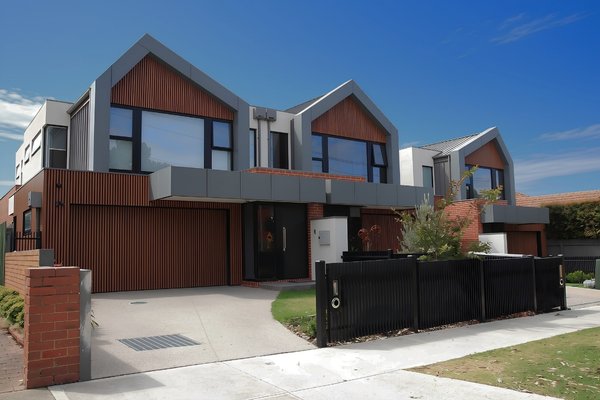
Triplex Investment in Australia
A triplex is very similar to a duplex, but instead of two homes, the property is split into three separate dwellings. Depending on the development, they may be attached, semi-attached, or designed as individual residences on the same site.
Potential Advantages of Triplexes
- Three rental incomes – allowing the potential for you to enjoy very strong cash flow.
- Greater depreciation opportunities – particularly when purchasing new builds.
- Income diversification – a vacancy in one dwelling doesn't completely eliminate your rental income.
- Efficient land use – generating the highest number of income streams from a single site.
Potential Downsides of Triplexes
- Higher cost to buy – compared to houses and duplexes in the same or similar location.
- Increased management requirements – more tenants will mean you’ll handle more administration and maintenance.
- Location sensitivity – demand for triplex-style properties can vary between suburbs and regions.
Townhouse Investment in Australia
A townhouse is typically a multi-storey home that has one or more walls with a neighbouring property … but has its own title. They can bring you a welcome balance of affordability and rental appeal.

Potential Advantages of Townhouse Investments
- Lower entry price – compared to many standalone houses in the same area.
- Broad tenant market – couples, families, and professionals … making it easier for you to let.
- Shared maintenance responsibilities – building and common area upkeep is managed by the owners’ corporation.
Potential Downsides of Townhouses
- Lower land area – you own less land compared to a freestanding house, meaning capital growth may grow at a steadier pace.
- Owners corporation or strata fees – you need to investigate the mandatory expenses like building insurance and common ground maintenance.
- Less control over structural changes – you generally have to get permission for major renovations or alterations from the owners' corporation.
Not Sure Which Property Type Is Right for You?
How Do I Choose the Right Property Type?
As we’ve discovered, every property type comes with its own advantages, downsides, and opportunities. So, how do you choose the perfect property or properties for your hard-earned money?
The Areas That Can Influence the Right Choice Include Your:

Ultimate goal
This is always the starting point, you might want a passive income stream, to retire early, reduce financial stress, or create a legacy for your children.

Stage of life

Property objective
Is the best way to reach your ultimate goal through strong capital growth, impressive cash flow, greater depreciation opportunities, or a balance.

Appetite for risk
Different property types can deliver different levels of income, growth, and volatility.

Budget and borrowing capacity
Some property types may be more accessible to you than others, while some may require larger deposits or higher ongoing costs.

Involvement level
Some investments need more management, maintenance, and oversight.
And this is where many investors fall down … choosing a property first and thinking about strategy second. At Mirren Investment Properties, we start by understanding your goals and circumstances … then we can identify the property types that are most suitable.
Start With Your End Goal in Mind
New vs Established Investment Property
When considering residential investment property in Australia, is it better for you to buy an existing property or a new build?
Generally speaking, our property investment advice tends towards recommending new properties as opposed to established ones. In our experience, this is because they’re more likely to support your strategy and long-term goals, due to the following:

Advantages of New Investment Properties
- More depreciation opportunities – new builds typically give more depreciation benefits, which can improve cash flow.
- Low maintenance costs – with everything being new, there’s less likelihood of costly repairs in the early years.
- Builder warranties – if there are any structural or construction-related problems, they’ll be covered by statutory warranties.
- Tenant appeal – modern designs, fixtures, and finishes are attractive to prospective tenants.
However, buying a property simply because it’s new doesn’t automatically make it a good investment. At Mirren Investment Properties, we can identify the opportunities across Australia that are most likely to support your objectives … whether that’s a new build or an established property.
Unsure Whether To Buy New or Established?
Why Property Investors Choose Mirren Investment Properties
Buying a property is relatively straightforward. But, purchasing the ideal investment … the one that’s going to meet your income, tax, cash flow, and ultimate goals … needs more than scrolling through real estate websites.
It demands a clear strategy, experience, research, and the ability to distinguish between an asset that feels nice … and an asset that will actually perform.
And that’s why so many Australians turn to Mirren Investment Properties.
With Us, You Gain the Benefits Of:
Goal-focused approach
Before discussing properties, we take the time to understand your targets and discover the role your investment property needs to play.
Education
We explain the advantages, drawbacks, and considerations of different property types, helping you to understand the reasons behind recommendations.
Property selection
We research opportunities across Australia instead of limiting you to what’s available in your local area.
Tailored recommendations
Depending on whether you’re seeking capital growth, strong cash flow, or depreciation opportunities.
We help you understand your borrowing capacity, the types of properties that may fit within your budget, and provide access to suitable lenders.
Avoiding costly mistakes
The wrong property can hold you back for years, so we ensure your investment supports your plans.
End-to-end support
From strategy and research through to acquisition and settlement.
Discover Which Property Type Best Supports Your Plans
Are You Ready To Find the Right Investment Property?
A house, duplex, triplex, townhouse, or house and granny flat are all powerful investment property types … but only in the right circumstances. The key is to find the one that aligns with your goals and budget.
Before you make any decisions or start scrolling through listings, book a free consultation with Mirren Investment Properties. We’ll help you get a clear understanding of exactly which property type is the right tool to support your long-term objectives and lifestyle dreams.

Types of Investment Property FAQs
Have More Questions About Different Property Types?
A House vs Apartment Investment in Australia, What’s Better?
It depends on what you’re trying to achieve.
Investors typically choose houses due to their larger land component and therefore greater potential for long-term capital growth. That said, apartments can sometimes give you an affordable entry price and access to locations that you wouldn’t otherwise be able to afford.
At Mirren Investment Properties, we generally edge towards the properties with a stronger land component. After all, theoretically, buildings depreciate over time, while it’s the land underneath them that drives long-term value growth.
Should I Target Capital Growth or Rental Yield?
The investment property capital growth vs yield debate can be answered easily by examining which is more appropriate for your circumstances.
You might want capital growth because you want to build wealth over the long term. Alternatively, you may desire rental yield because you need stronger cash flow to support your portfolio. However, many investors ultimately aim for a balance of both.
The right approach depends on your goals, budget, borrowing capacity, and what you want the property to do in your strategy.
Should My Investment Property Be Cash Flow Positive?
At Mirren Investment Properties, we generally prefer investment properties that are capable of supporting themselves as much as possible. A property that produces sufficient rental income to cover most or all of its expenses takes the weight off both your mind and your personal finances.
This is very important during periods of economic uncertainty, interest rate changes, or unexpected life events.
Can I Switch Strategies Later, Like Turning a House Into a Dual Occupancy?
Possibly, yes. But it depends on your local council zoning, land size, and building regulations. Adding a granny flat or splitting an existing property into two can be expensive, stressful, and time-consuming … especially if the property wasn’t designed with that strategy in mind.
That’s one reason why we frequently recommend new properties. By selecting a dwelling that already works with your strategy from the start, you may be able to access the intended cash flow, depreciation, or income benefits sooner and with fewer complications.